
Property depreciation naturally reduces a home's value over time due to age, wear, market factors, and neighborhood changes. Homeowners can mitigate its impact through tax benefits like deductions for real property improvements (e.g., US Internal Revenue Code Section 179). Strategic management involves regular condition assessments, staying informed about market trends, and making informed decisions regarding repairs, renovations, or utilizing home equity during slower depreciation periods to protect long-term financial planning.
Property depreciation is a significant factor influencing homeowners’ long-term planning, yet it’s often overlooked in favor of initial purchase excitement or short-term gains. This article delves into the intricate relationship between property depreciation and strategic homeownership, providing market insights crucial for informed decision-making. We’ll explore how understanding natural property depreciation can empower homeowners to navigate today’s dynamic real estate landscape effectively, ensuring their investments not only withstand time but also appreciate over the long term.
Understanding Property Depreciation: Basics Explained

Property depreciation is a fundamental concept that every homeowner should understand, as it significantly impacts long-term financial planning. It refers to the natural decline in value of a property over time due to various factors such as age, wear and tear, market conditions, and changes in desirability. This process is an inevitable aspect of homeownership, and recognizing its effects can empower homeowners to make informed decisions about their investments.
The basics of property depreciation involve a simple yet powerful idea: the older a property becomes, the less valuable it tends to be. This is not solely due to physical deterioration but also changes in the surrounding market dynamics. For instance, a home located in an area that has experienced significant urban renewal or where new developments have boosted the desirability of the neighborhood will likely see its value rise over time. Conversely, properties in areas with declining industries or infrastructure may depreciate faster. Homeowners must be aware that this process can affect their equity and financial goals, particularly when planning for the future.
One practical insight to consider is that property depreciation tax benefits can offer some relief during challenging economic periods. Many countries provide allowances for homeowners to offset the effects of depreciation on their taxable income. For example, in the United States, Section 179 of the Internal Revenue Code allows businesses and individuals to deduct the cost of certain assets, including improvements to real property, from taxable income in the year they are placed in service. This can help alleviate some financial strain for homeowners facing rapid depreciation. However, it’s essential to consult tax professionals for specific guidance on claiming these benefits effectively.
Homeowners should adopt a proactive approach when managing property depreciation. Regularly assessing the condition of their homes and staying informed about market trends allows them to make strategic decisions. This might include conducting necessary repairs and renovations to maintain value or exploring options like home equity loans to take advantage of the remaining equity during periods of relatively slower depreciation. By understanding these dynamics, homeowners can ensure that their plans for selling, upgrading, or passing on their property remain on track despite natural property depreciation.
Impact on Homeowners' Financial Planning

Property depreciation is a critical factor that significantly influences homeowners’ financial planning strategies. As properties age, their value naturally declines over time due to wear and tear, obsolescence, or changes in the local market dynamics. Understanding this process is essential for homeowners aiming to make informed decisions regarding their assets. The impact of property depreciation on financial planning cannot be overstated; it challenges homeowners to consider not just the current market value but also the future prospects of their investments.
For instance, a homeowner who purchased a property ten years ago might face a reality where rapid urbanization has significantly increased the desirability of neighboring areas, while their own property remains relatively unchanged. This scenario underscores the need for proactive financial planning. Homeowners must recognize that property depreciation tax benefits can offset these losses. Tax laws in many regions allow for deductions on depreciated property values, providing a financial lifeline for homeowners looking to maintain liquidity and flexibility. This strategy becomes increasingly vital as it enables owners to reinvest in their properties or explore alternative opportunities, such as upgrading facilities to capitalize on the current market demand.
Moreover, expert advice suggests that homeowners can mitigate the effects of depreciation by staying informed about market trends and keeping their properties well-maintained. Regular assessments and renovations can help extend the lifespan of the asset and potentially slow down the depreciation rate. Additionally, diversifying investment portfolios beyond real estate is a prudent step to balance risk and reward. Combining property investments with other financial ventures ensures that homeowners are not solely vulnerable to fluctuations in the real estate market, including property depreciation naturally occurring over time.
Market Insights: Trends and Depreciation Rates

Property depreciation, a natural occurrence over time, plays a significant role in shaping homeowners’ financial strategies. Market insights reveal that understanding property depreciation rates is crucial for effective planning. According to recent studies, the average residential property loses around 3-5% of its value annually due to various factors like age, location, and market conditions. This means that a $300,000 home could be worth approximately $285,000 after just one year, highlighting the substantial impact of natural depreciation.
However, property depreciation tax benefits provide a silver lining in this scenario. Many countries offer tax advantages for homeowners who incur losses on property sales, allowing them to offset capital gains against other income. This can result in significant savings, especially for those planning long-term investments or downsizing. For instance, in the US, the Internal Revenue Service (IRS) allows taxpayers to exclude up to $250,000 ($500,000 for married couples filing jointly) of capital loss from property sales each year, providing a strategic opportunity to manage depreciation’s financial effects.
When planning ahead, homeowners should consider these trends and potential benefits. Regularly assessing a property’s value and understanding the local market dynamics are essential steps in managing depreciation naturally. By staying informed, homeowners can make informed decisions, ensuring their plans align with the ever-evolving real estate landscape, while also taking advantage of tax benefits that could enhance their financial position.
Strategies to Mitigate Depreciation's Effect

Property depreciation is an inevitable reality for homeowners, yet it can be a powerful tool when understood and strategically navigated. As property values fluctuate over time, effective strategies to mitigate the effects of natural property depreciation can significantly impact long-term financial planning. Homeowners should view this process as an opportunity to optimize their investments and secure a stable future.
One of the most significant advantages lies in recognizing that certain improvements and expenses may be eligible for tax benefits. Property depreciation tax advantages offer homeowners a chance to offset the effects of declining property value. For instance, renovations aimed at energy efficiency or accessibility upgrades can qualify for deductions under specific IRS guidelines. By strategically planning and documenting these enhancements, taxpayers can reduce their taxable income, effectively mitigating the financial impact of natural property depreciation over time. According to recent studies, homeowners who take advantage of these tax benefits can potentially save thousands in taxes annually, thereby easing the blow of property value erosion.
Additionally, diversifying investment strategies is essential. Homeowners might consider a mix of tangible and intangible assets to balance their portfolios. While real estate remains a significant investment, exploring alternative options like stocks, bonds, or even rental properties in different markets can provide some protection against dramatic property depreciation events. A balanced approach allows for growth potential while offering resilience during periods of economic uncertainty, ensuring that homeowners are not solely reliant on the ever-changing real estate market.
Regular assessment and rebalancing of investments are crucial. Market insights suggest that property values often follow cyclical patterns, with fluctuations influenced by local economies, interest rates, and demographic shifts. Homeowners should stay informed about these trends to make timely adjustments to their strategies. For example, recognizing emerging neighborhoods with high growth potential can help offset depreciation in established areas. By staying agile and proactive, homeowners can navigate the natural ups and downs of property depreciation, ensuring their financial plans remain on track for long-term success.
Tax Implications and Depreciation Deductions

Property depreciation naturally is a significant factor for homeowners planning their financial future, as it can significantly impact tax liabilities and offer valuable property depreciation tax benefits. When a homeowner sells a property, they must report any gains or losses from the sale on their taxes. Depreciation, which represents the decline in an asset’s value over time, can result in substantial savings when accounting for capital gains. For instance, a long-term investment property may have accumulated significant depreciation, allowing homeowners to offset capital gains against other income sources and reduce their overall tax burden.
The Internal Revenue Service (IRS) allows taxpayers to claim depreciation deductions for both residential and investment properties. Property depreciation tax benefits can take several forms, including straight-line depreciation, accelerated methods like the declining balance method, or special rules for rental properties. Homeowners should carefully consider these options, as different depreciation strategies can impact their tax liability in varying ways. For example, a 15-year property may be depreciated at a steady rate under the straight-line method, providing a consistent annual deduction. Alternatively, accelerated methods offer higher deductions in the early years of ownership but result in lower total deductions over the property’s life.
It is crucial for homeowners to consult with tax professionals or utilize IRS guidelines to determine the most advantageous depreciation strategy for their specific circumstances. By maximizing property depreciation naturally and taking advantage of associated tax benefits, homeowners can potentially reduce their taxable income, save on taxes, and optimize their financial planning. Understanding these complexities ensures that property owners make informed decisions that align with their long-term financial goals.
Future-Proofing Your Home: Long-Term Planning
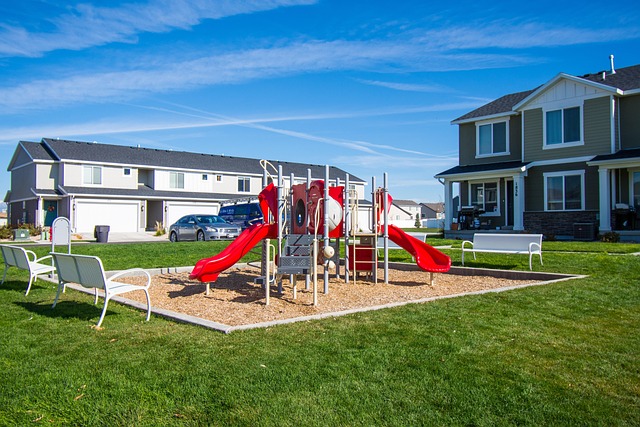
Property depreciation naturally plays a significant role in long-term planning for homeowners, often overlooked but critical to securing a comfortable future. As time progresses, homes appreciate or depreciate based on market conditions, location, and upkeep. Understanding this dynamic is crucial when strategizing for the long haul. Homeowners can mitigate potential financial strains by incorporating property depreciation naturally into their plans and leveraging associated tax benefits.
Future-proofing your home involves considering both its current value and its longevity in a fluctuating market. A practical approach includes regular assessments of property depreciation to make informed decisions. For instance, a well-maintained home in a desirable neighborhood may benefit from higher resale values over time, despite natural wear and tear. Conversely, neglecting maintenance can accelerate depreciation. Homeowners should allocate funds for routine upkeep, such as roof repairs or painting, not only to preserve aesthetics but also to protect against accelerated property depreciation naturally occurring due to neglect.
Additionally, homeowners can take advantage of tax benefits associated with property depreciation. Depreciation deductions allow taxpayers to offset the cost of owning a home, reducing taxable income. This strategy can significantly impact long-term financial planning, especially for those considering downsizing or refinancing. By structuring expenses and renovations strategically, homeowners can maximize these tax benefits, further bolstering their financial security. Utilizing professional advice from real estate experts or financial consultants is recommended to navigate the complexities of property depreciation naturally while reaping the tax advantages effectively.