
Property depreciation naturally reduces asset value over time, impacting financial strategies for homeowners and lending decisions. Key drivers include age, maintenance, market conditions, and obsolescence. Tax benefits, such as accelerated depreciation methods and property tax deductions, offer significant advantages to homeowners, especially those with substantial home equity. Strategic planning, including regular maintenance and informed timing of renovations, can mitigate risks while maximizing the benefits of property depreciation in financial planning. Technological advancements like AI-powered platforms aid in precise predictions and comprehensive risk assessment, empowering homeowners with data-driven financial decisions.
In the intricate landscape of homeownership, understanding property depreciation is no longer a mere financial consideration—it’s a strategic cornerstone for homeowners navigating today’s lending environment. This article delves into the profound impact that natural property depreciation has on long-term planning, shedding light on insights that lenders and borrowers alike can leverage. By exploring the dynamics between property value fluctuations and borrower strategies, we equip readers with authoritative knowledge to make informed decisions, ensuring a robust and adaptive approach to homeownership in an ever-changing market.
Understanding Property Depreciation: Basics Unveiled

Property depreciation is a fundamental concept that significantly influences homeowners’ financial planning and lending strategies. Understanding how this process works is crucial for making informed decisions regarding real estate investments and securing appropriate financing. Depreciation refers to the natural decline in an asset’s value over time, and in the context of property, it can be a powerful tool for both budgeting and tax planning. Homeowners should recognize that while their property may appreciate or maintain its value in some cases, property depreciation is an inevitable reality.
At its core, property depreciation involves several factors, including age, maintenance, market conditions, and obsolescence. As a home ages, certain components may require replacement, impacting the overall value. For instance, roofing materials, electrical systems, and plumbing can significantly contribute to a property’s depreciated value over time. Market trends also play a role; areas experiencing rapid development or economic downturns can lead to reduced property values. Homeowners should be aware that these factors combine to determine an asset’s depreciation rate, which can vary from one property to another.
The financial implications of property depreciation are significant. One of the key benefits is the potential for tax advantages. Many countries offer tax breaks related to property depreciation, allowing homeowners to offset some of their income tax liability. This can be particularly advantageous when coupled with mortgage interest deductions. For example, a homeowner in the United States might be able to claim accelerated depreciation methods, such as the Modified Accelerated Cost Recovery System (MACRS), which allows for faster depreciation in the early years of ownership. By strategically managing property depreciation, homeowners can optimize their tax returns and potentially free up funds for other financial goals. Consulting with a financial advisor or accountant is advisable to navigate these complexities effectively and take full advantage of available property depreciation tax benefits.
Homeowners' Perspective: Impact on Financial Planning

Homeowners often grapple with understanding the intricate interplay between property depreciation and their financial planning strategies. This concept, property depreciation naturally, is a critical aspect that can significantly impact an owner’s long-term financial health. As properties age, their value declines, which has both implications for mortgage lending and overall wealth management. By comprehending this process, homeowners can make more informed decisions regarding their investments, especially when considering the potential tax benefits tied to property depreciation.
From a homeowner’s perspective, recognizing that property depreciation naturally occurs over time allows for proactive financial planning. For instance, a long-term owner who has seen their property appreciate over several decades may use this knowledge to estimate future value losses and adjust their retirement savings strategies accordingly. This foresight enables them to make more efficient use of their resources. Furthermore, understanding property depreciation can influence when major renovations or improvements are undertaken, potentially maximizing the asset’s remaining value.
The strategic utilization of property depreciation tax benefits is another valuable insight for homeowners. In many jurisdictions, depreciating assets can offer significant tax advantages, allowing owners to offset taxes against revenue earned from property sales or rental income. This aspect encourages responsible financial management as homeowners consider the broader implications of their decisions on both their personal wealth and government revenues. For instance, a homeowner who invests in energy-efficient renovations may be eligible for depreciation deductions, thereby reducing their overall tax burden.
In conclusion, homeowners can leverage their understanding of property depreciation to enhance their financial planning. By acknowledging that property values naturally fluctuate and taking advantage of associated tax benefits, they can navigate the real estate market more effectively. This knowledge empowers owners to make informed choices, ensuring their long-term financial stability and potentially setting them up for a smoother transition into retirement or future life stages.
Lending Insights: Assessing Depreciation in Mortgages
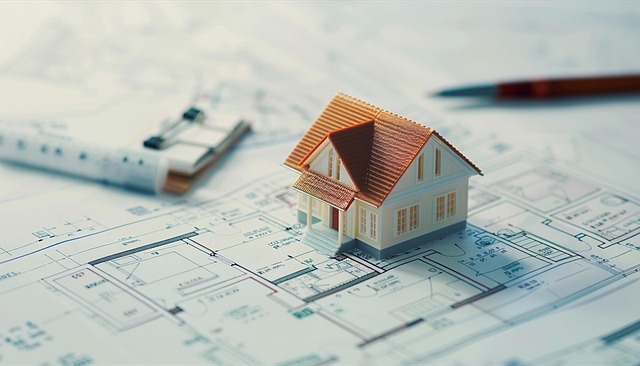
Property depreciation is a critical factor influencing homeowners’ financial planning and lending decisions today. As homes age and values fluctuate, understanding property depreciation naturally becomes paramount for both lenders and borrowers. Assessing depreciation in mortgages involves a nuanced approach that considers not just the physical wear and tear but also market dynamics and tax incentives. This insightful process allows lenders to mitigate risk while empowering homeowners to make informed choices about their investments.
Lending institutions employ sophisticated models to predict property depreciation, factoring in local real estate trends, neighborhood development, and the unique characteristics of each property. For instance, a study by the Federal Reserve found that homes in urban areas, due to higher population density and ongoing redevelopment, tend to experience slower depreciation rates compared to suburban or rural properties. Lenders use such insights to set appropriate loan terms and interest rates, recognizing that well-maintained urban residences may offer more stable long-term investment prospects.
The strategic integration of property depreciation tax benefits further complicates the lending landscape. Homeowners can leverage depreciation to reduce their taxable income, potentially lowering their overall tax burden. This advantage is particularly significant for investors who hold rental properties or those with substantial home equity. For example, a homeowner may deduct up to $3,000 per year for residential property depreciation in some jurisdictions, offering a powerful incentive to borrow strategically and manage assets efficiently. By recognizing and accounting for property depreciation naturally within their lending models, financial institutions can contribute to the stability of the housing market while facilitating responsible homeownership.
Tax Implications: Utilizing Depreciation for Benefits

Property depreciation is a multifaceted concept that significantly influences homeowners’ financial planning strategies, especially when navigating tax implications. This process, which reflects the natural decline in a property’s value over time, offers significant advantages for tax mitigation. Homeowners can leverage property depreciation to their benefit by strategically accounting for these losses, thereby reducing their overall tax burden.
One of the primary methods involves utilizing property depreciation tax benefits, allowing individuals to claim deductions on their tax returns. For instance, a homeowner who incurs expenses related to structural repairs or improvements may be eligible to depreciate those costs over time. This not only reduces taxable income but also provides a means to recover some of the financial outlay associated with maintaining a home. According to recent studies, average property depreciation rates range between 2-3% annually, emphasizing the potential long-term savings for homeowners who take advantage of these deductions.
Furthermore, understanding and managing property depreciation is crucial for effective estate planning. As properties age, their value may fluctuate, and owners can use this knowledge to their advantage. By strategically timing asset sales or investments, individuals can optimize capital gains taxes while also ensuring a more manageable tax outlook for their heirs. This proactive approach allows homeowners to navigate the complexities of property depreciation, leveraging its benefits while minimizing potential drawbacks.
Strategies for Mitigating Property Depreciation Risks
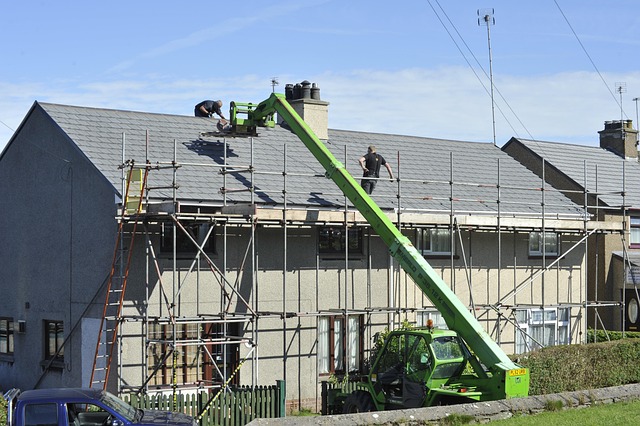
Property depreciation is a significant factor that influences homeowners’ financial planning and lending decisions. As properties age, their value naturally decreases over time due to various factors such as wear and tear, market fluctuations, and technological advancements. This process can pose risks for both owners and lenders, making it crucial to understand and mitigate the implications of property depreciation. One effective strategy is to leverage tax benefits associated with property depreciation, allowing homeowners to offset some of the financial impact. According to recent data, many jurisdictions offer tax deductions or credits for depreciated property values, providing a significant incentive for proactive management.
For instance, in the United States, homeowners can deduct straight-line depreciation from their taxable income, spreading out the cost of their property over its useful life. This approach not only eases immediate financial strain but also ensures compliance with tax regulations. Similarly, in Australia, the capital allowance system allows businesses and individuals to claim deductions for the cost of certain assets, including improvements to residential properties. By strategically planning and claiming these depreciation tax benefits, homeowners can reduce their taxable income, effectively lowering their overall tax burden.
To mitigate property depreciation risks further, homeowners should consider implementing preventive maintenance measures. Regular upkeep and repairs not only extend the lifespan of the property but also maintain its market value. For example, investing in quality roofing materials, efficient heating and cooling systems, and modern insulation can significantly slow down the natural depreciation process. Additionally, staying informed about local real estate trends and market dynamics enables homeowners to make timely decisions regarding renovations or upgrades, ensuring their properties remain competitive in the housing market.
Future Trends: Technology's Role in Depreciation Analysis

Property depreciation, a natural occurrence over time, significantly influences homeowners’ planning strategies when considering future financial landscapes. With advancements in technology, the analysis of property depreciation has evolved, offering valuable insights for both lenders and borrowers. Today, sophisticated data analytics and machine learning algorithms enable more precise predictions of property values, factoring in market trends, location-specific dynamics, and even demographic shifts.
The role of technology in depreciation analysis is transforming how lenders assess risk and structure loans. For instance, AI-powered platforms can process vast amounts of data, including historical sales records, renovation details, and local infrastructure projects, to create comprehensive property profiles. This enables lenders to identify potential risks associated with specific areas, such as rapid appreciation or unexpected market downturns. By integrating these insights into lending practices, financial institutions can offer more tailored loan options, ensuring a win-win scenario for both parties.
Moreover, technological advancements allow homeowners to access tools that demonstrate the property depreciation tax benefits. Interactive platforms provide real-time estimations of potential savings by factoring in existing tax laws and historical depreciation trends. This empowers borrowers to make informed decisions about their financial commitments, especially when considering long-term investments like mortgages. As these tools become more sophisticated, they will play a pivotal role in shaping homeowners’ strategies, encouraging responsible borrowing and maximizing property depreciation’s advantages.